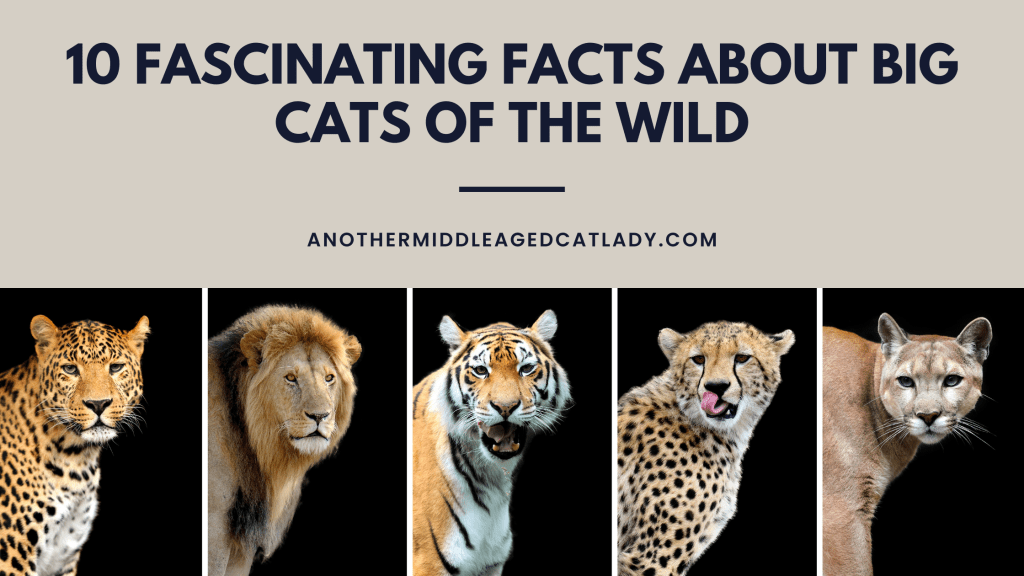
From the mighty roar of lions to the lightning-fast speed of cheetahs, learn about the incredible abilities of big cats in the wild with these 10 fascinating facts.
The Amazing Truth About Wild Felines
Big cats are some of the planet’s most majestic and awe-inspiring creatures. From their incredible strength and agility to their unique hunting techniques, these wild felines have captured people’s imaginations for centuries. Here are 10 fascinating facts about big cats that will leave you in awe of their incredible abilities.
1. Jaguars Have the Strongest Bite of any Big Cat

Jaguars are found primarily in Central and South America, known for their distinctive rosette-shaped spots on their fur. While lions and tigers are often considered the strongest of the big cats, the jaguar has the most powerful bite.
Their bite force is measured at 1,500 pounds per square inch, stronger than any other big cat. This allows them to easily crush the skulls of their prey, including caimans and turtles, the latter of which is a common source of prey for them. They are excellent swimmers and are known to hunt for fish and other aquatic creatures in rivers and streams.
2. Lynxes Have Huge Paws
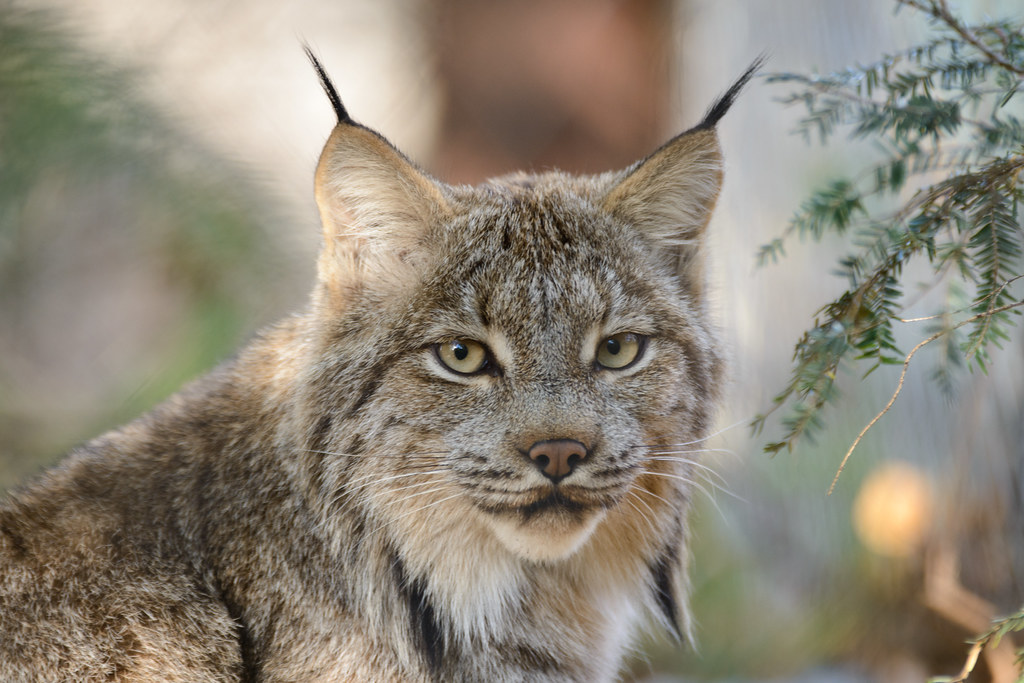
The lynx, a wild cat native to Europe and Asia, is a stealthy predator that lives in snowy and forested areas. Their huge paws are one of their most distinctive features. The paws are specially adapted to help them survive in their cold and rugged environment. The thick fur on the bottom of their feet acts as natural snowshoes. They allow them to walk on top of the snow without sinking in. This makes it easier for lynxes to hunt for prey and to travel long distances without expending too much energy.
Additionally, the large size of their paws also helps them to be more efficient hunters, as they are able to take larger strides when chasing prey. The lynx is a fascinating and beautiful animal, and their unique adaptations make them ideally suited to survive in some of the harshest environments in the world.
3. Cheetahs Are the Fastest Land Animals
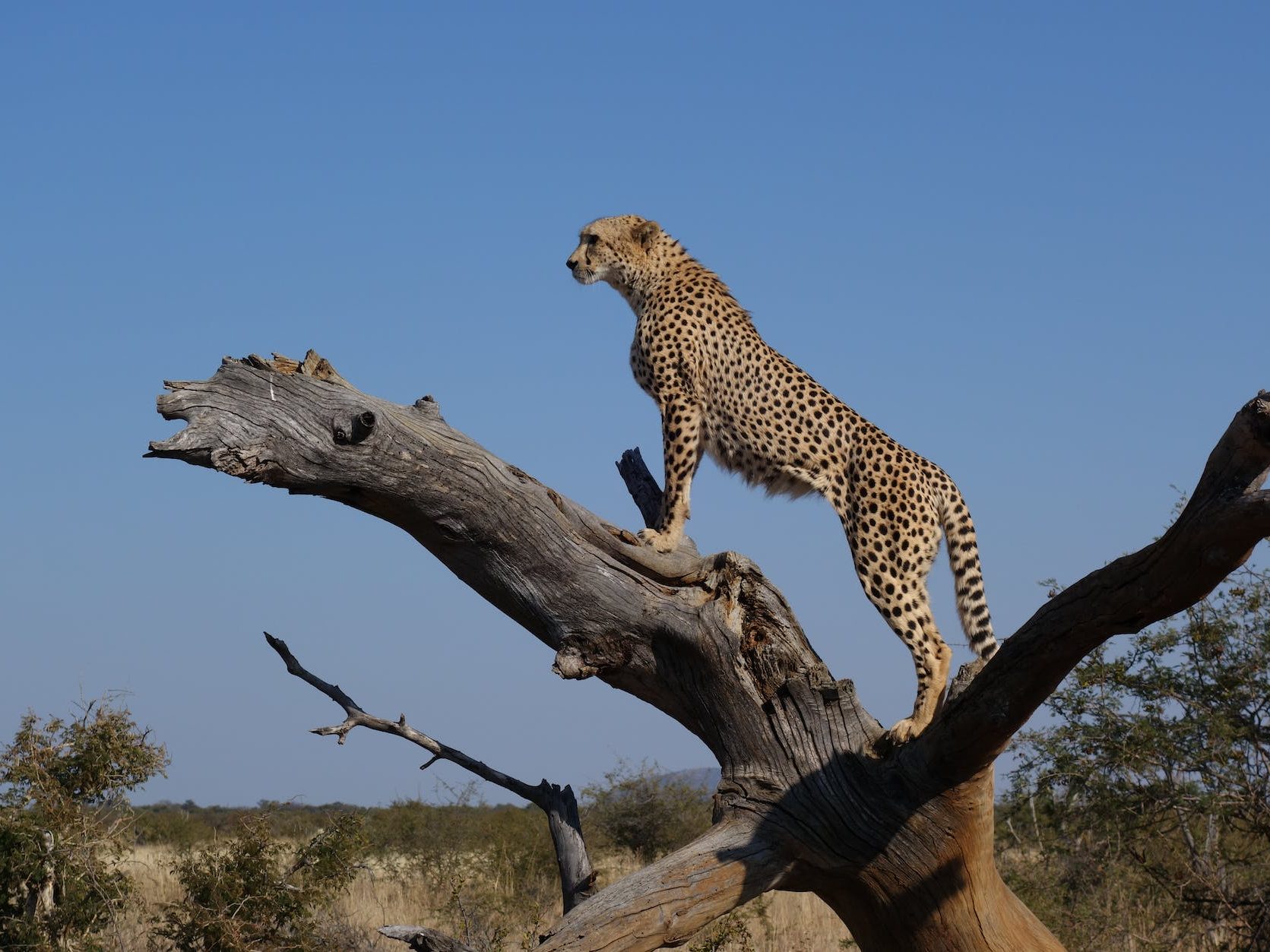
Known for their incredible speed, cheetahs can run up to 70 miles per hour. They can accelerate from 0 to 60 miles per hour in just a few seconds. Cheetahs have a lean and muscular body structure that allows them to run at high speeds. They also have a long tail that helps them balance while running.
Cheetahs are not built for endurance and can only maintain their top speed for short bursts. However, this incredible speed makes them one of the most efficient hunters in the animal kingdom, allowing them to quickly catch prey and avoid danger.
4. The Scottish Wildcat Is a Very Rare Species

The Scottish wildcat, also known as the Highland tiger, is one of the rarest cat species in the world. There are believed to be fewer than 100 wildcats left in Scotland. The Scottish wildcat is a beautiful and elusive creature native to the Scottish Highlands. They are slightly larger than domestic cats and have distinctive dark stripes on their fur.
Unfortunately, their population has been severely impacted by habitat loss, hunting, and interbreeding with domestic cats. Conservation efforts are underway to protect the remaining wildcats and their habitat, including captive breeding programs and predator control measures. Conserving and protecting these rare and endangered species is essential to maintain our planet’s biodiversity and ecological balance.
5. Lions Are Family-Oriented Cats
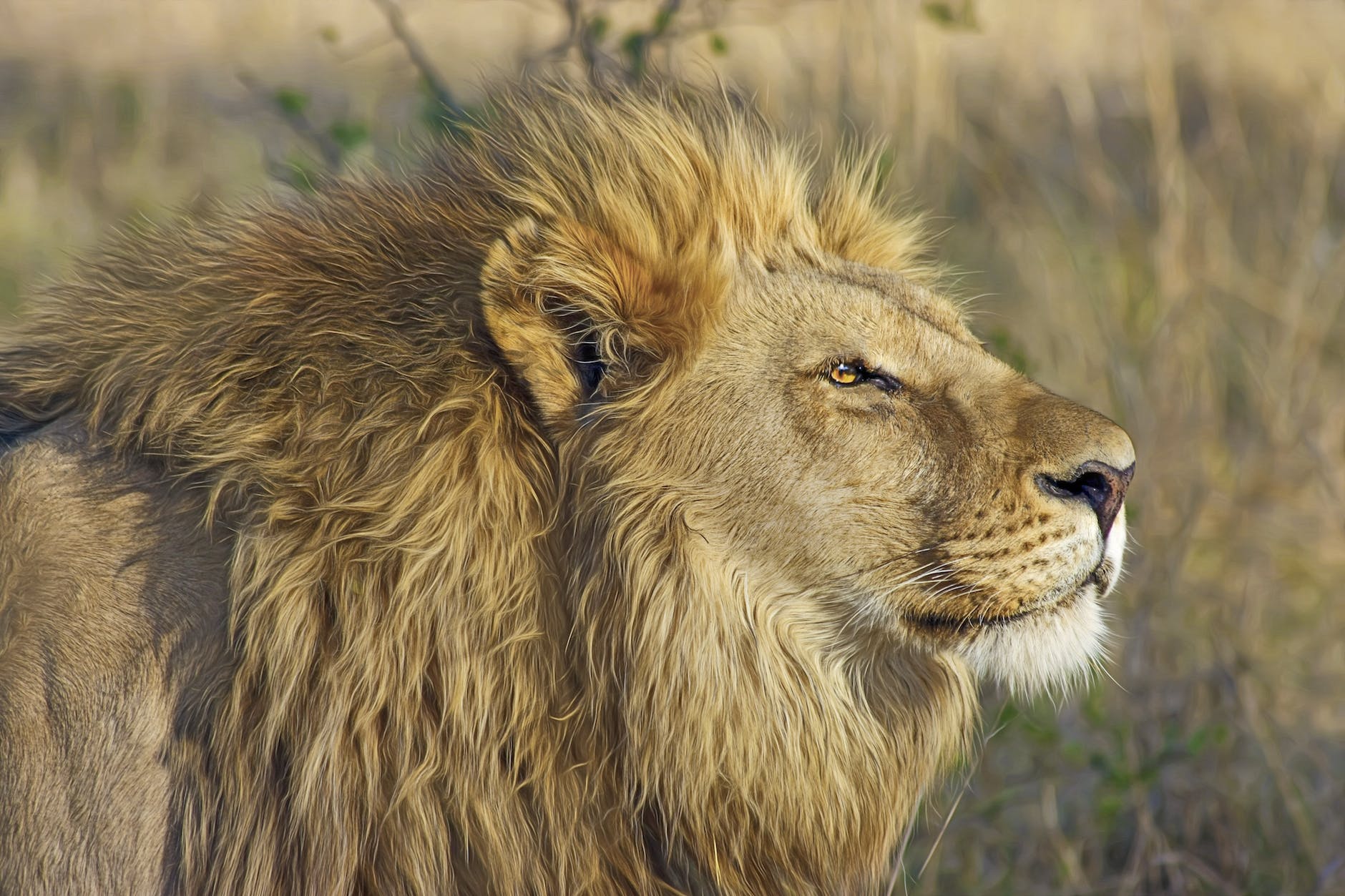
Lions are incredibly social animals. They live in groups called “prides,” consisting of up to 40 individuals. Within a pride is a hierarchical structure, with females being the dominant members. The social nature of lions allows them to work together to hunt for food, protect their territory, and care for their young.
It is also interesting to note that lionesses, the female lions, are the primary hunters in the pride and are responsible for providing food for the group. Male lions usually fight off predatory animals like hyenas.
You had to know that one. Everybody’s seen The Lion King!
6. Tigers are Excellent Swimmers

Unlike many other big cats, tigers are excellent swimmers known to swim across rivers and lakes to hunt. They are also known to be comfortable in the water and enjoy taking dips to cool off. Tigers have adapted to their aquatic environment as their natural habitat often includes marshes, swamps, and rainforests.
They have webbed paws that help them move easily through the water. Tigers have very muscular builds and strong legs that allow them to swim long distances. Interestingly, they are one of the few big cat species that enjoy swimming and are known to be playful and curious when in water.
7. Panthers Are Not a Single Species
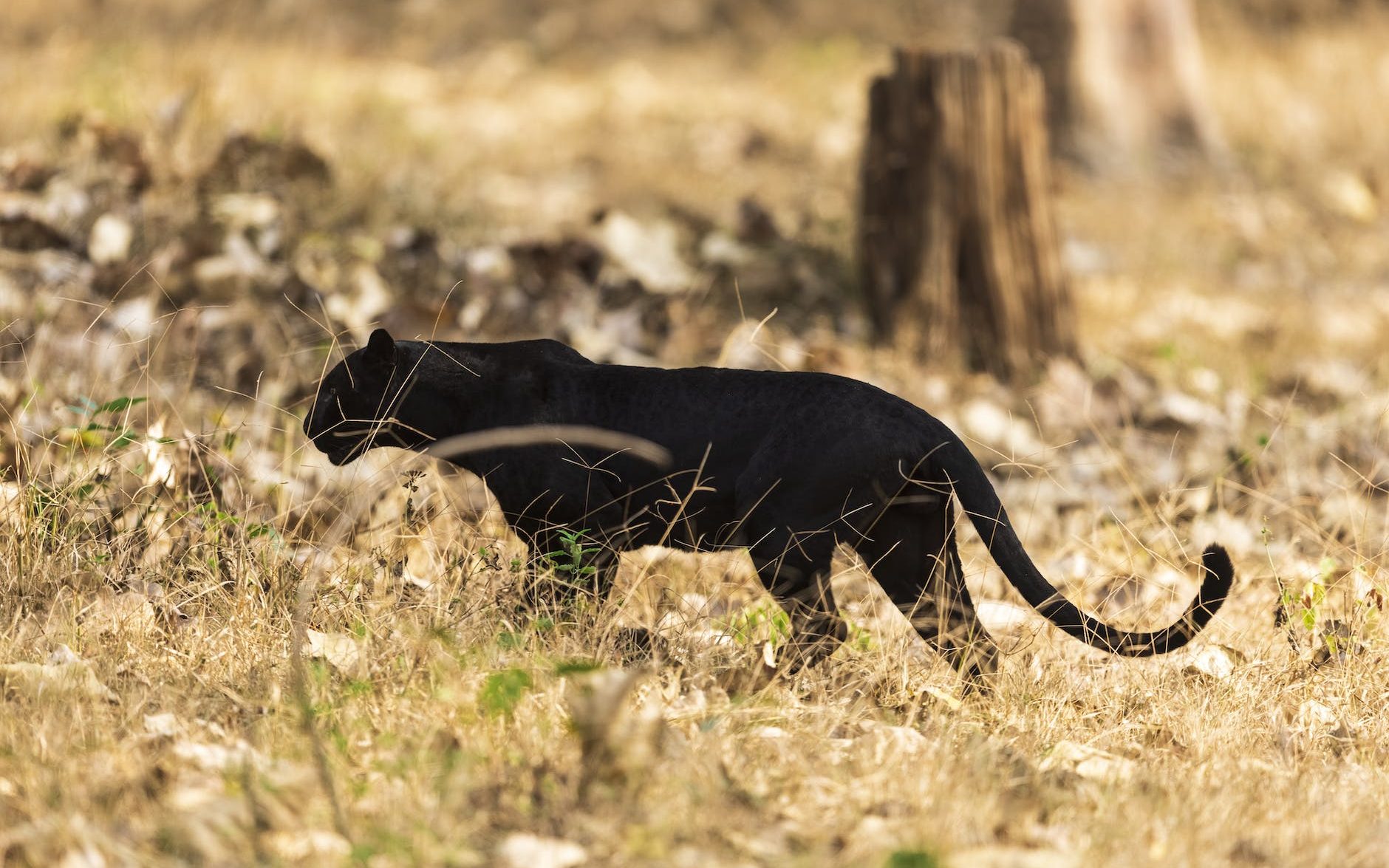

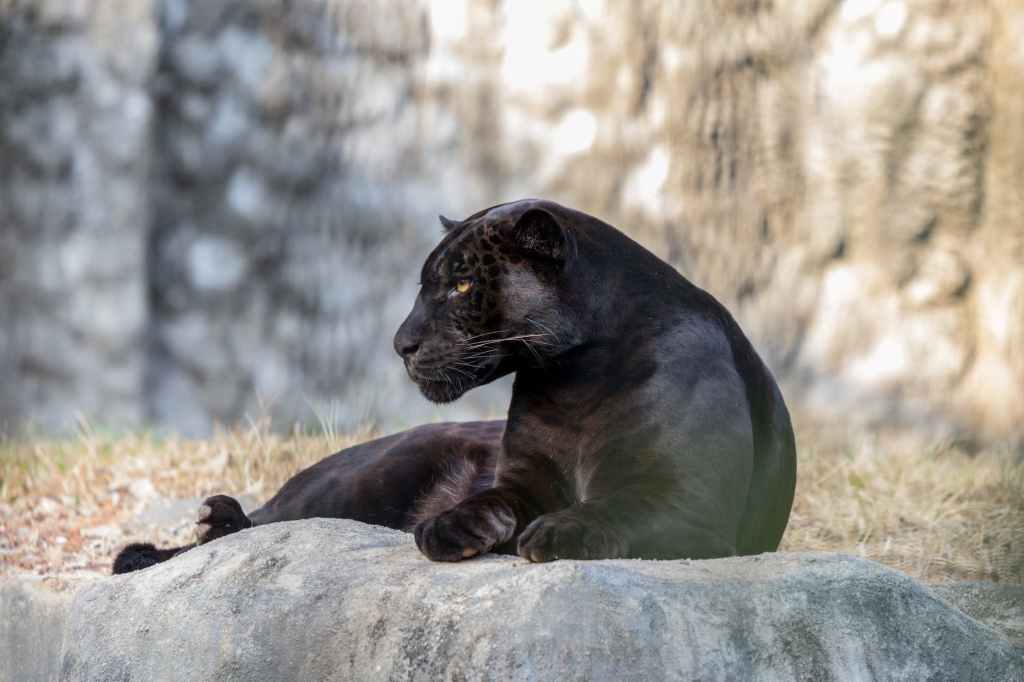
The term “panther” refers to a black leopard or jaguar, but it’s not a specific species. Panthers can be any big cat with a black coat caused by a genetic mutation. The black coat helps these big cats blend in with their surroundings and gives them a stealthy advantage when hunting prey.
Panthers are found in various habitats worldwide, from Asia’s dense forests to Africa’s open savannas. Despite their different species, all panthers share similar physical characteristics, such as sharp claws and powerful jaws, which make them formidable predators in their respective ecosystems.
8. Pumas Can Jump Over 20 Feet
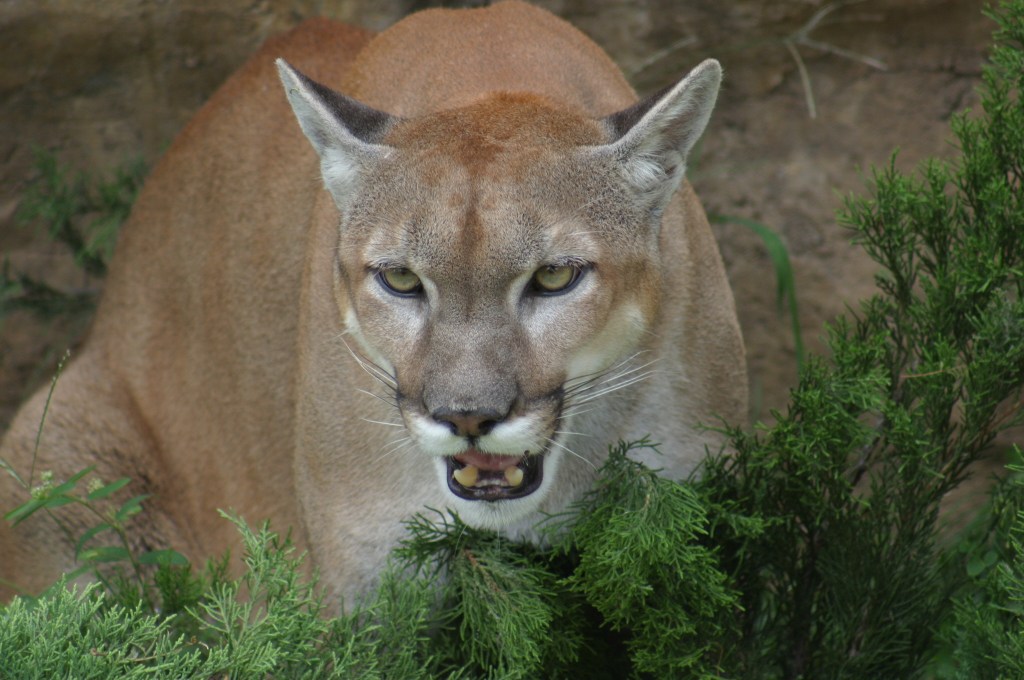
Also known as cougars or mountain lions, pumas can jump up to 20 feet in a single leap. This allows them to pounce on prey from a distance and gives them an advantage when hunting. Pumas are solitary animals and are most active during dawn and dusk. They are known for their excellent eyesight and hearing, which help them locate prey in their surroundings.
Pumas are found in various habitats, from mountains and forests to deserts and grasslands, and are known to adapt to their environment quickly.
9. The Snow Leopard is the Hardiest Big Cat
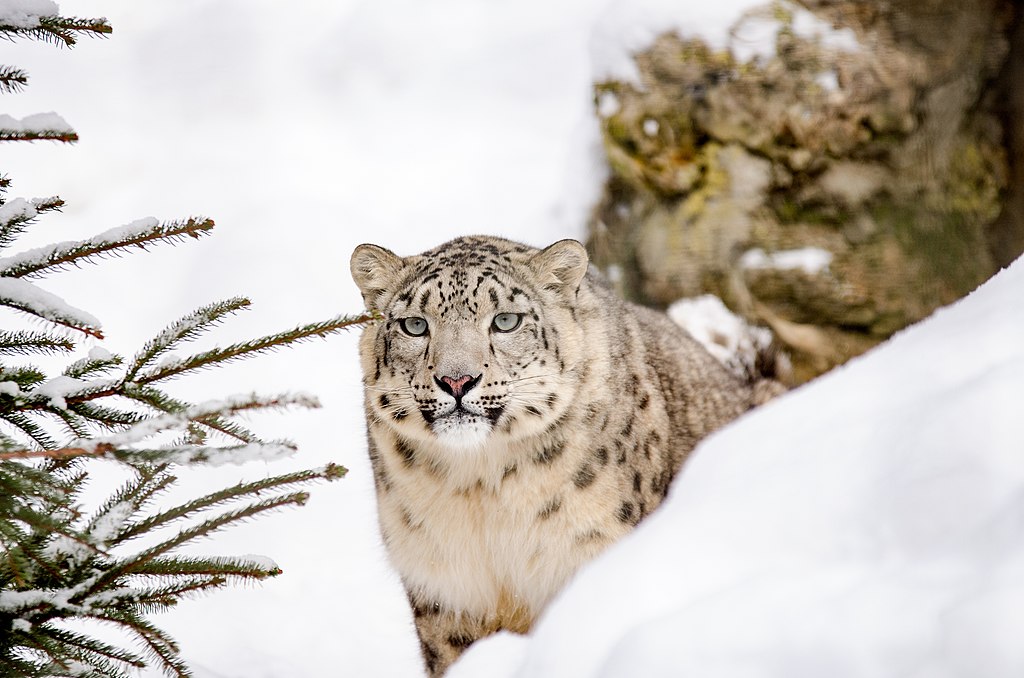
Snow leopards are magnificent animals that inhabit the mountainous regions of Central Asia. One of the most amazing facts about this elusive cat is its incredible ability to survive in harsh environments. The snow leopard is perfectly adapted to its habitat. Its thick fur keeps it warm in freezing temperatures, and its giant paws act as natural snowshoes. And as a hunter, it has keen eyesight that allows it to spot prey from a great distance.
In addition to its physical adaptations, the snow leopard is also known for its elusive nature, making it one of the most difficult wild cats to spot. Despite its beauty and importance to its ecosystem, the snow leopard is considered a vulnerable species, with an estimated population of only 4,000 to 6,500 individuals remaining in the wild.
10. The Serval Has the Longest Legs for a Cat (Relatively Speaking)
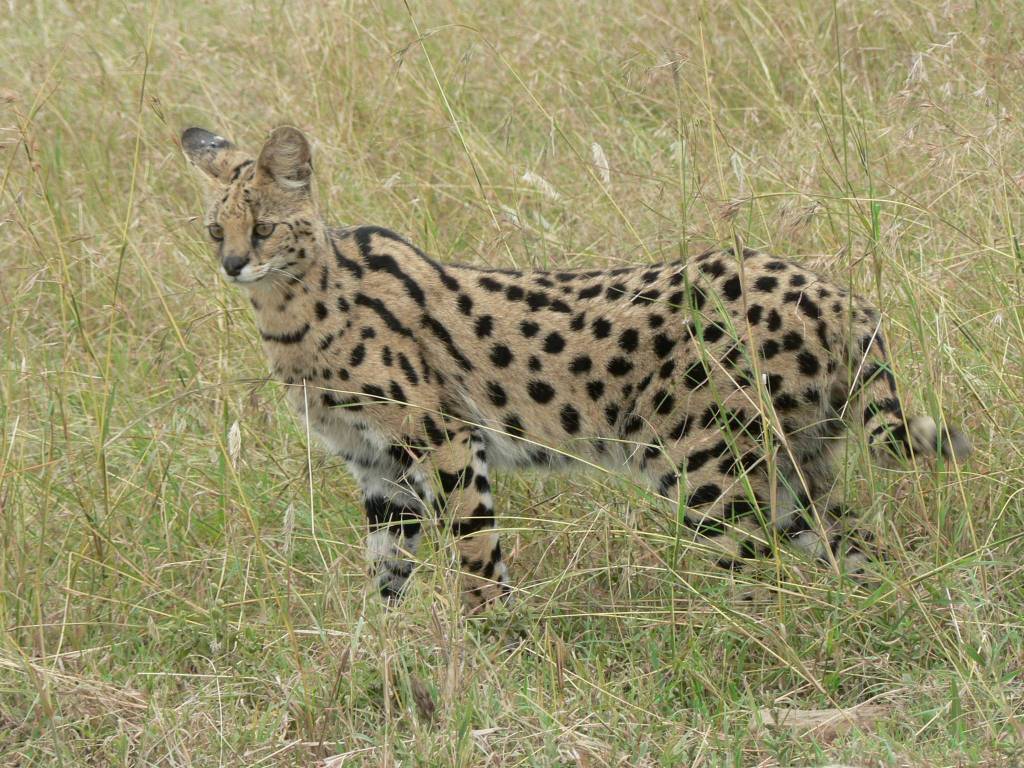
The serval is a slender wild cat that is native to Africa. It is known for having the longest legs of any cat species relative to its body size. This unique adaptation helps the serval navigate tall grass and hunt small prey in its habitat. The serval’s long legs also enable it to jump high and catch birds in mid-air.
Along with its incredible physical abilities, the serval also possesses exceptional hearing, with ears that can rotate 180 degrees. This helps the cat to detect prey rustling in the grass or hiding in burrows. Additionally, the serval is one of the few wild cats that is known to use tools; it has been observed using sticks to dig for food in hard-to-reach places.
Despite its impressive physical and cognitive abilities, the serval is still vulnerable due to deforestation and habitat loss in its native habitat. Conservation efforts are crucial to helping maintain the population of this unique and fascinating wild cat species.
Conclusion

Big cats are some of nature’s most fascinating creatures. From their unique physical adaptations to their impressive hunting skills, these majestic animals never fail to amaze us. Whether you’re a fan of lions, jaguars, cheetahs, or any other big cat species, there’s always something new to learn and appreciate about these magnificent creatures.
With conservation efforts in place, we can continue to admire these beautiful animals for generations.
 Another Middle-Aged Cat Lady
One thought on “10 Fascinating Facts About Big Cats of the Wild”